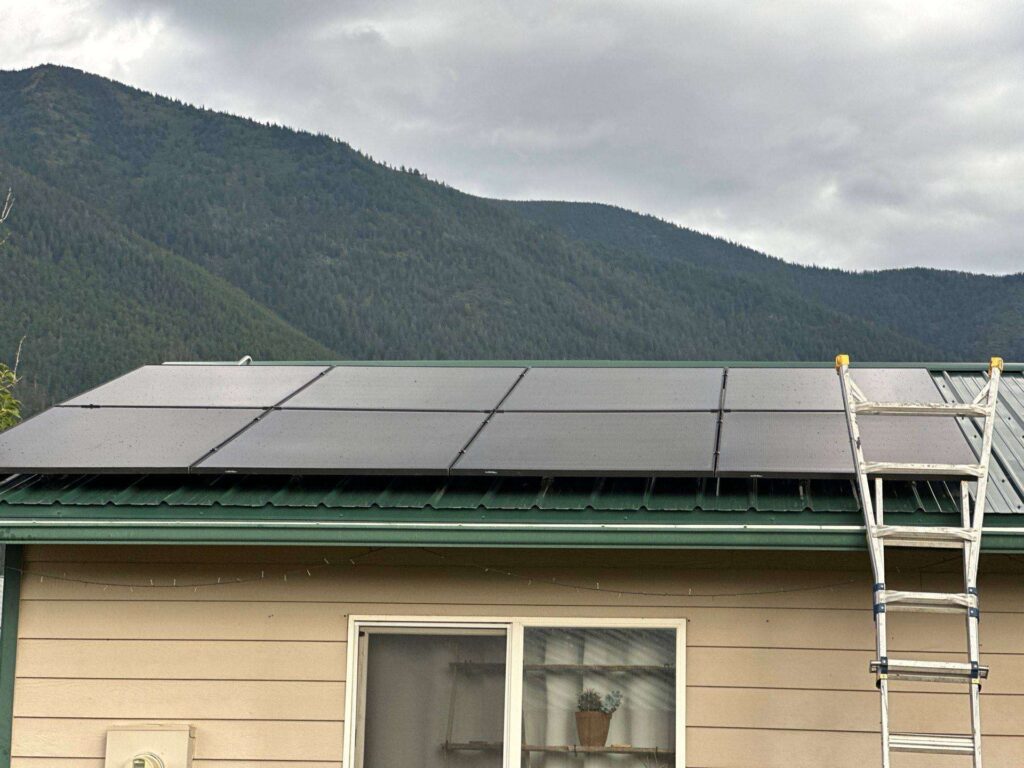
Yes, solar works in Montana. Cold weather actually helps solar panels, snow slides off tilted panels, and our long summer days make up for short winter ones. Here is how solar handles our climate, how a system gets sized for a Montana home, and where batteries and net metering fit in.
The short answer: solar panels make power from light, not heat, and they run more efficiently when it is cold. Your system will produce most of its power from spring through fall and less in December and January. Net metering credits and a battery help even that out.
How solar handles Montana weather
| Montana condition | What actually happens |
|---|---|
| Sub-zero cold | Panels lose a little efficiency as they heat up, so cold, clear days are good solar days. |
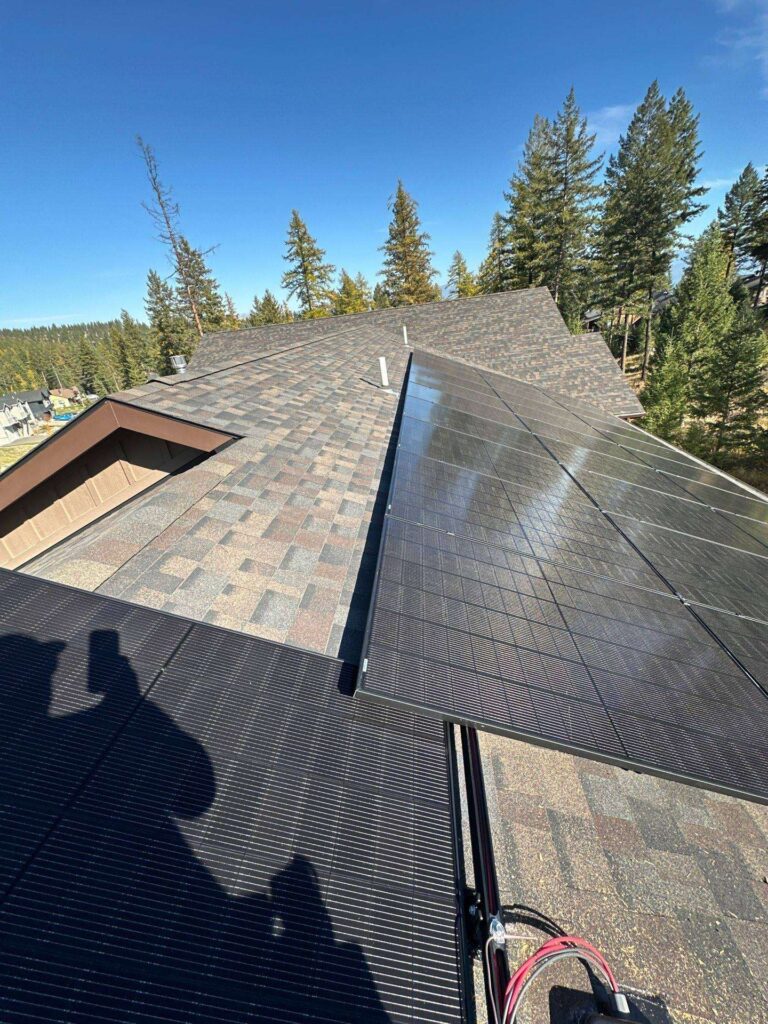
| Snow | Snow blocks light while it sits on the panels. Tilted, dark glass warms in the sun and the snow slides off, often within a day or two of a storm. |
| Short winter days | Less daylight means lower output in winter. Long June days produce several times more than December days. |
| Hail | Panels pass hail impact testing for their safety certification, and tempered glass handles most storms. |
| Wind and snow loads | Racking is designed for the snow and wind loads in your local building code, and your permit is reviewed against them. |
Want the long version on cold-weather batteries? Read Powerwall performance in sub-zero weather.
Watch: ChatGPT Got Energy Independence Wrong. Here’s the Fastest Path. (Joel Robinson, 10:13)
How we size a system for a Montana home
- A year of power bills. Montana usage swings with the seasons, especially with electric heat, so we look at all 12 months.
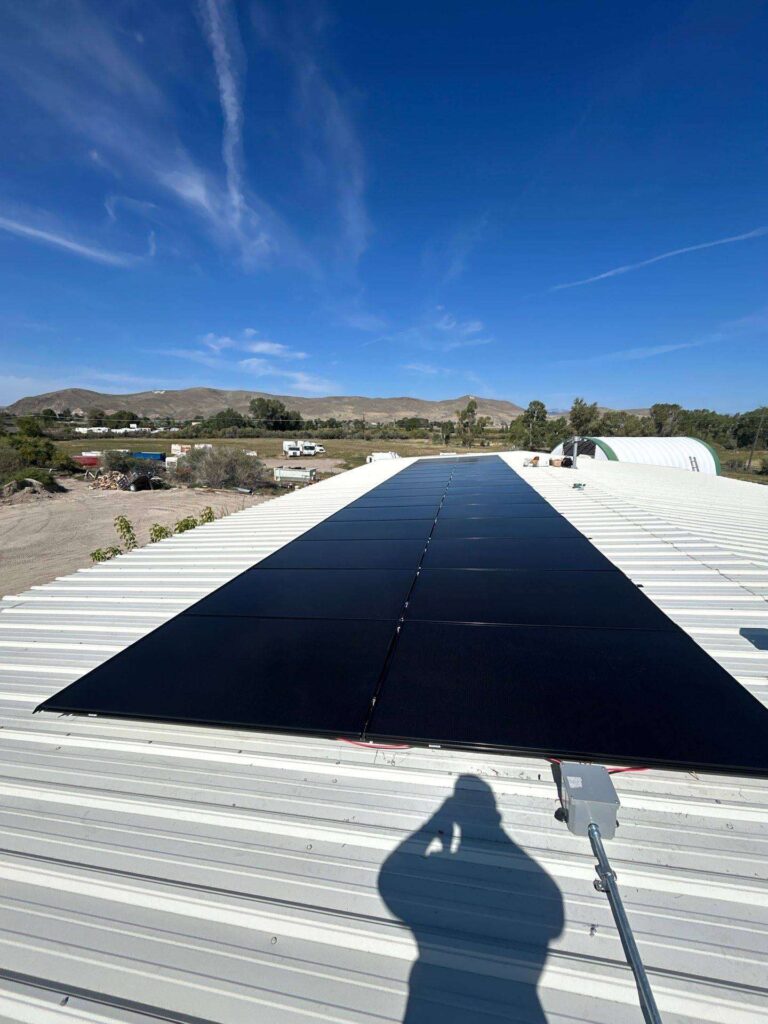
- Your roof or yard. South-facing is best, but east and west roofs work. Shade from trees and mountains matters. Ground mounts are common on rural properties.
- Your utility’s rules. Net metering credits reset once a year on NorthWestern Energy, so a system that overproduces wastes money. Co-ops set their own rules.
- Your goals. Lower bills, backup power during outages, or both. Backup power means adding a battery.
Three ways to set it up
| Setup | How it works | Best for |
|---|---|---|
| Grid-tied solar | Your home uses solar first, sends extra to the grid for credits, and pulls from the grid when needed. Shuts off during outages. | Lowering bills |
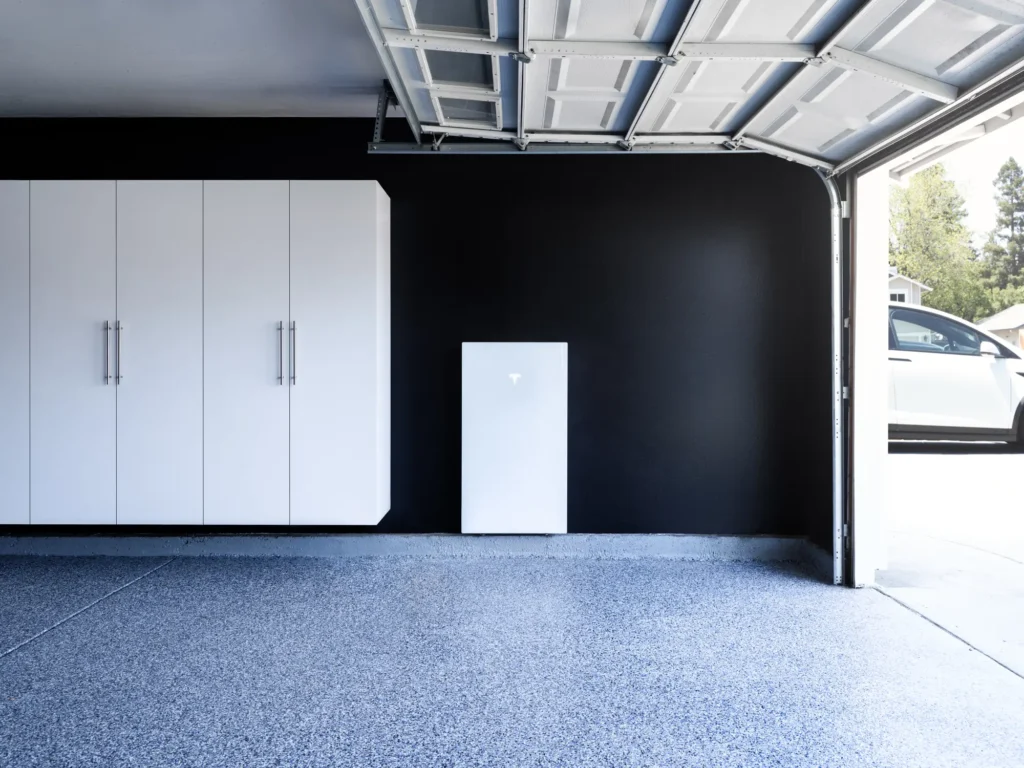
| Solar + battery | Same as grid-tied, plus a Powerwall that stores solar for the evening and runs your home in an outage. | Lower bills and backup power |
| Off-grid | No utility connection. Solar and batteries carry everything, usually with a generator for long cloudy stretches. | Remote cabins and properties far from power lines |
Our founder Joel runs his camper on solar and batteries and has learned a lot living off-grid with them, so we know firsthand what a battery is asked to do. For remote properties, see Going off-grid in Montana.
Net metering: banking summer sun for winter
When your panels make more than your home uses, the extra goes to the grid and you earn credits. On NorthWestern Energy, those credits carry forward month to month and reset at the annual settlement. Electric co-ops like Flathead Electric, Missoula Electric and Park Electric set their own rules. How net metering works in Montana.
Solar during an outage
Grid-tied solar turns off when the grid goes down, to protect line workers. That surprises a lot of people during Montana’s winter outages. A battery changes that: your home switches to the Powerwall and your solar keeps recharging it. Powerwall and backup power, explained.
What it costs and how to pay
Every home is different, so we give you a number built for yours. See what drives the cost of solar + battery in Montana, then compare cash and financing options. The federal residential tax credit ended after 2025; Montana’s property tax exemption and state tax credit are still available.
Utilities we work with
We design and file paperwork with NorthWestern Energy and Montana electric co-ops including Flathead Electric, Missoula Electric, Park Electric, Ravalli Electric and Lincoln Electric. Each has its own interconnection process, and we handle it for you.
Common questions
Do solar panels work in a Montana winter?
Yes. Panels run on light, not heat, and they are more efficient when they are cold. Winter output is lower because days are short and snow can cover the panels for a while, so most of your yearly production happens from spring through fall.
Do I need to clear snow off my panels?
Usually not. Tilted panels shed snow on their own once the sun hits them. Please don’t climb on a snowy roof to clear them; a few lost days of winter production are not worth the risk.
Can hail damage solar panels?
Solar panels are tested for hail impact as part of their safety certification, and the tempered glass handles most storms. If a severe storm does damage a panel, it can be repaired or replaced.
Does my roof have to face south?
South-facing roofs produce the most, but east- and west-facing roofs work well too. We design from your roof, shade and power bills, and a ground mount is an option on many Montana properties.
Will solar keep my lights on in an outage?
Not by itself. Grid-tied solar shuts off during an outage for safety. Adding a battery like Tesla Powerwall keeps your home and your solar running.
Will solar cover all of my electricity?
It can cover most of it over a year, but not every month. You will draw from the grid on short winter days. We size your system from a year of power bills so it fits your usage without overproducing.
Updated November 2026. Written by Joel Robinson, President of repower solar + battery, a Tesla Powerwall Premier Certified Installer serving Kalispell, Helena, Missoula, Bozeman and Billings.
See what solar would do on your home.